
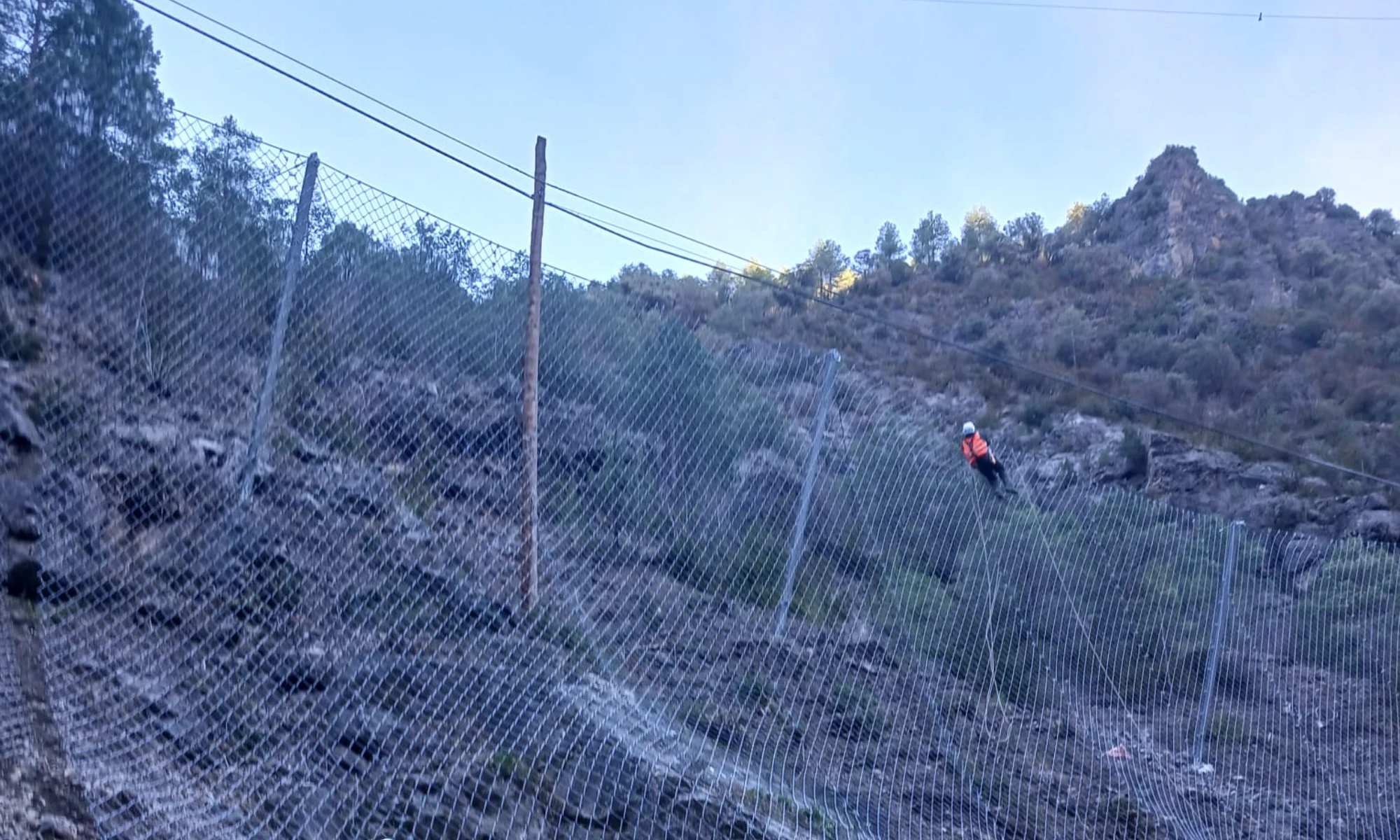
Rockfall protection
Attenuator barriers
Rockfall attenuator systems: high-resistance membrane curtains that guide falling rock to a safe reception area at the foot of the slope.
- Over 30 years of experience
- Survey, design and execution with our own team and machinery
- Offices in Spain and Romania
Rockfall attenuator systems for slopes with frequent rockfalls
Rockfall attenuator systems are curtains of high-resistance membrane that intercept rock at the top of the slope and guide it to a reception area at the foot, mitigating the impact of rockfalls. At Solutioma we design and install them, adapted to each geological risk setting, as part of our rockfall protection work.
Design of an attenuator barrier for slopes
The effectiveness of an attenuator barrier is based on its design, which combines high-strength materials. Attenuator systems are designed to attenuate the force of impacts and significantly reduce the risk to infrastructure and people in nearby areas.
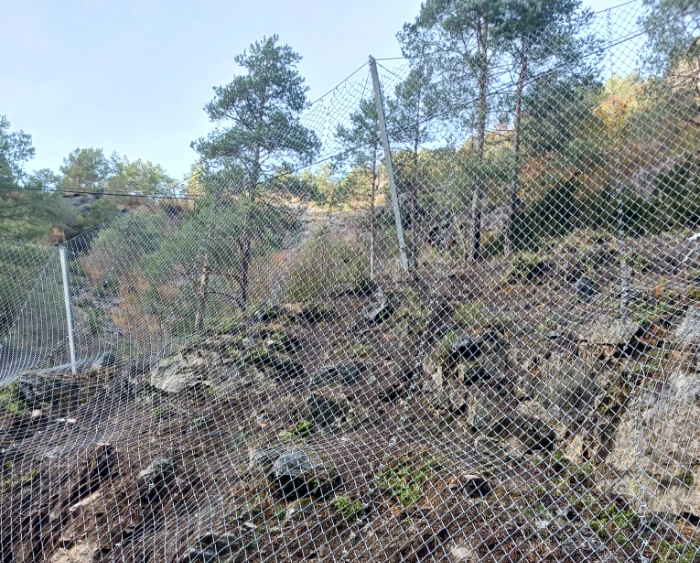
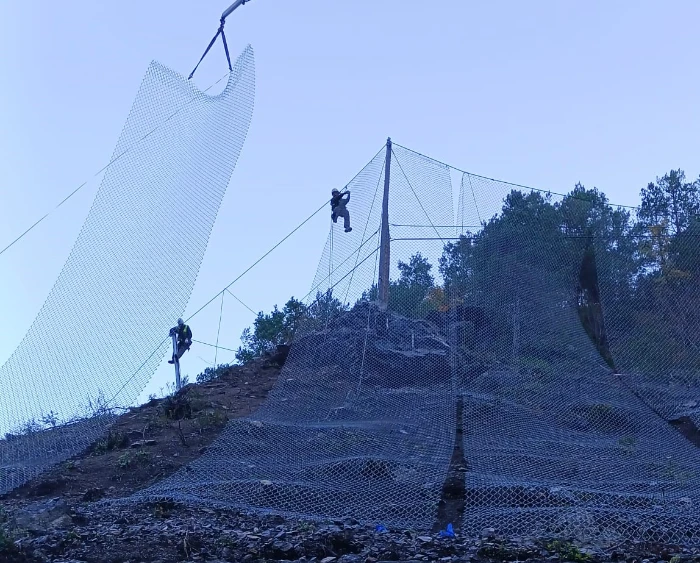
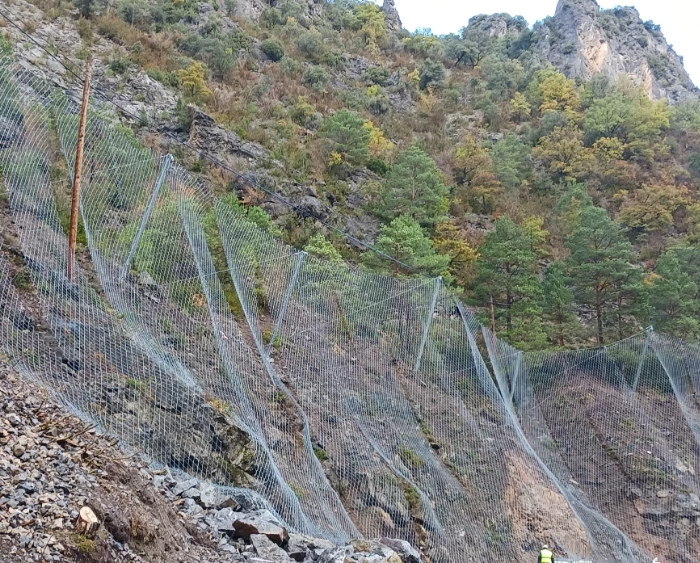
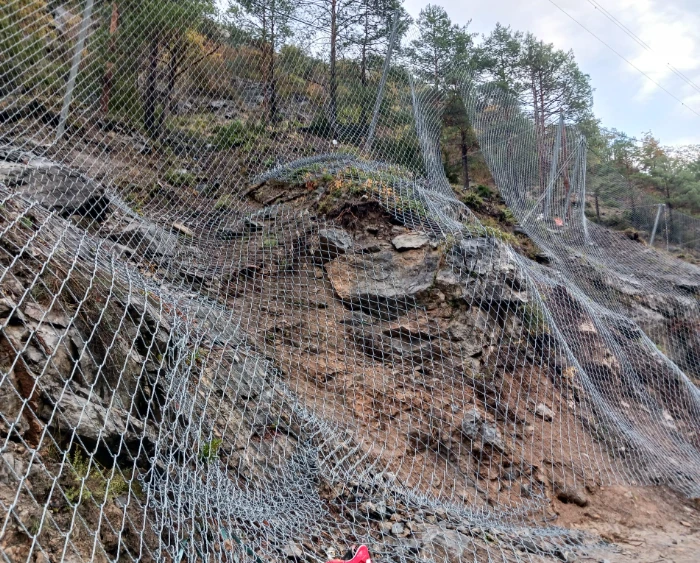
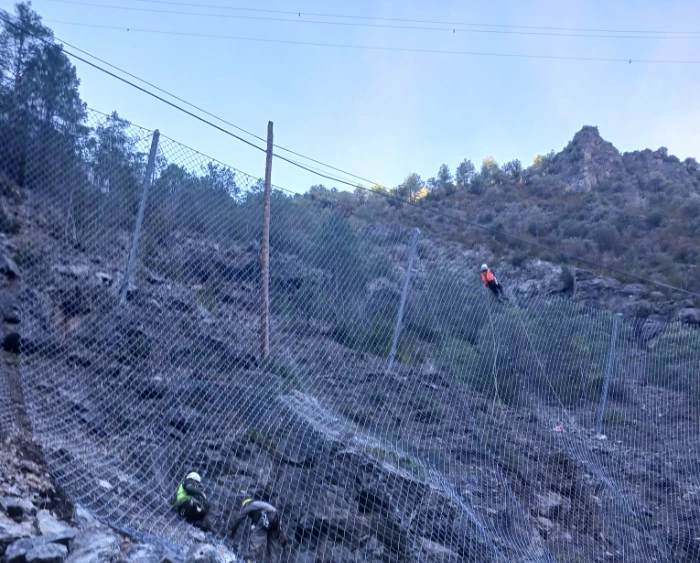
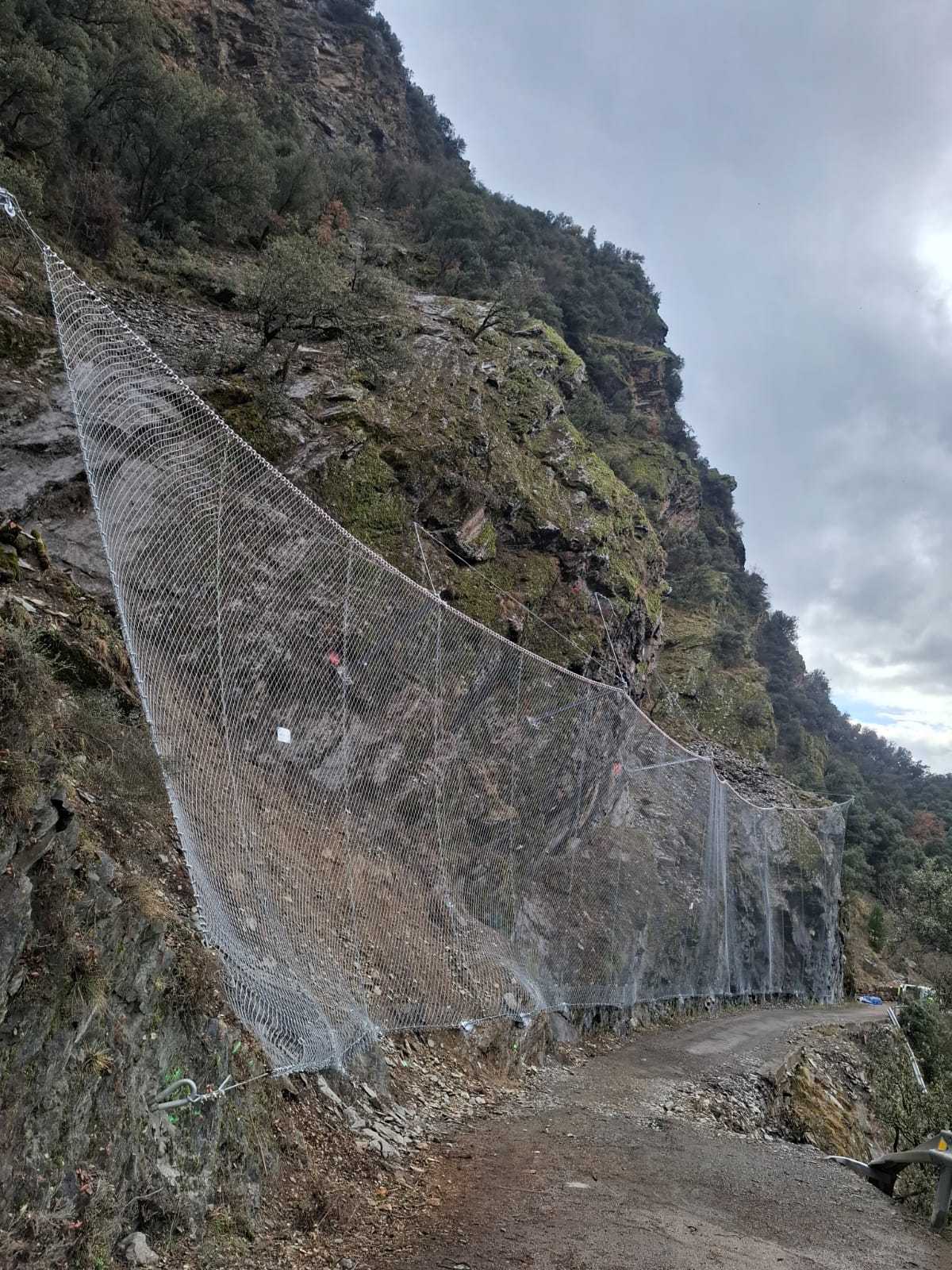
Attenuator systems combine the interception structure of a dynamic rockfall barrier with the low maintenance of drapery meshes, and they are used to mitigate the risk of rockfall. The mesh extends like a curtain over the slope and is able to slow down and direct falling rock.
Is there free space at the foot of your slope?
We will tell you whether an attenuator system can guide falling rock to a safe area and prepare an assessment for you. You can also call us on +34 900 101 895.
How do attenuator barriers work?
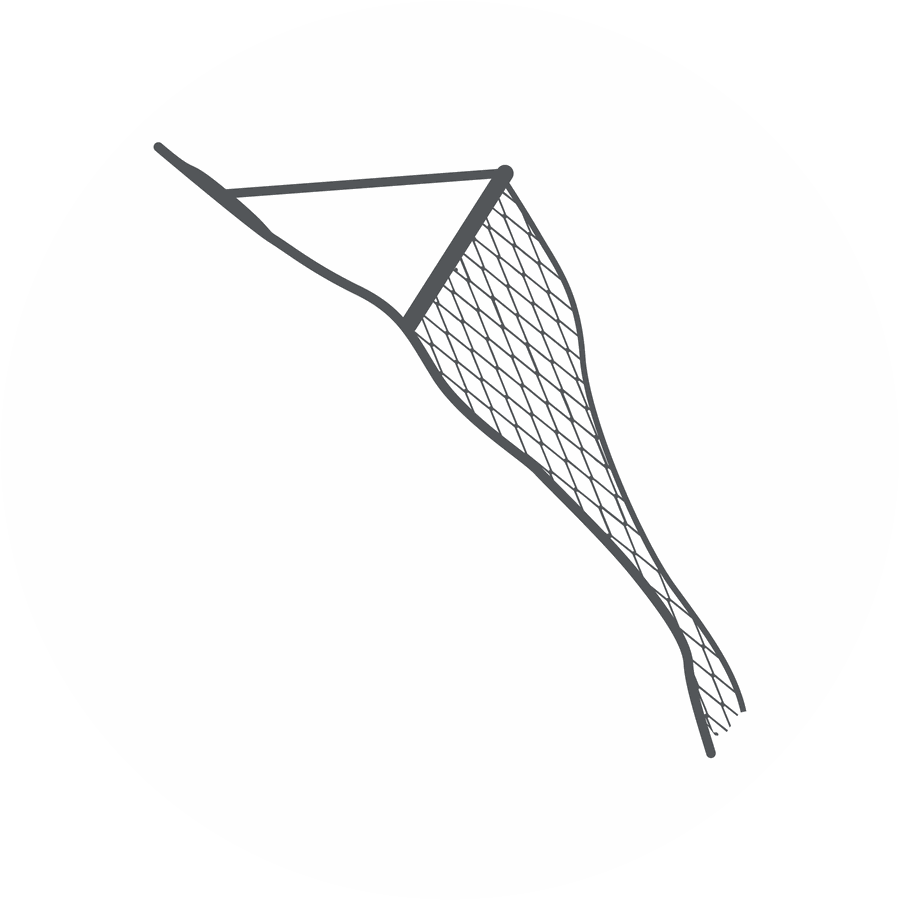
Attenuator systems are used on slopes with room below the system for blocks to move, where rocks can be stopped or collected safely. The attenuator system works as a rock-guiding curtain: the upper part intercepts the falling rock and the curtain directs it to the designated reception area.
A key feature of the attenuator systems we install at Solutioma is their ability to control the energy of impacts that could cause damage, which is essential in areas prone to landslides and rockfalls. The flexibility of the system maintains safety even after several impacts.
Differences between the attenuator system and the double-twist mesh trap
Attenuator systems have a structure similar to that of the double-twist mesh trap, but their draped membrane is high-resistance, so they protect against larger and more frequent rockfalls.
High-resistance membranes in attenuator systems
Attenuator systems feature high-resistance membranes and are a suitable solution to protect infrastructure exposed to frequent rockfalls, provided there is enough space at the foot of the slope to use it as a reception area.
Thanks to its flexibility, the attenuator system remains safe even after several impacts.
Installation of attenuator systems
The installation of attenuator systems is a meticulous process that must be adapted to each project. At Solutioma we assess each slope to design an installation strategy suited to the specific characteristics of the project.
Safe and effective installation
Our teams specialised in working at height carry out the installation to strict safety and efficiency standards, with our own machinery and access by truck-mounted crane or helicopter when the slope requires it.
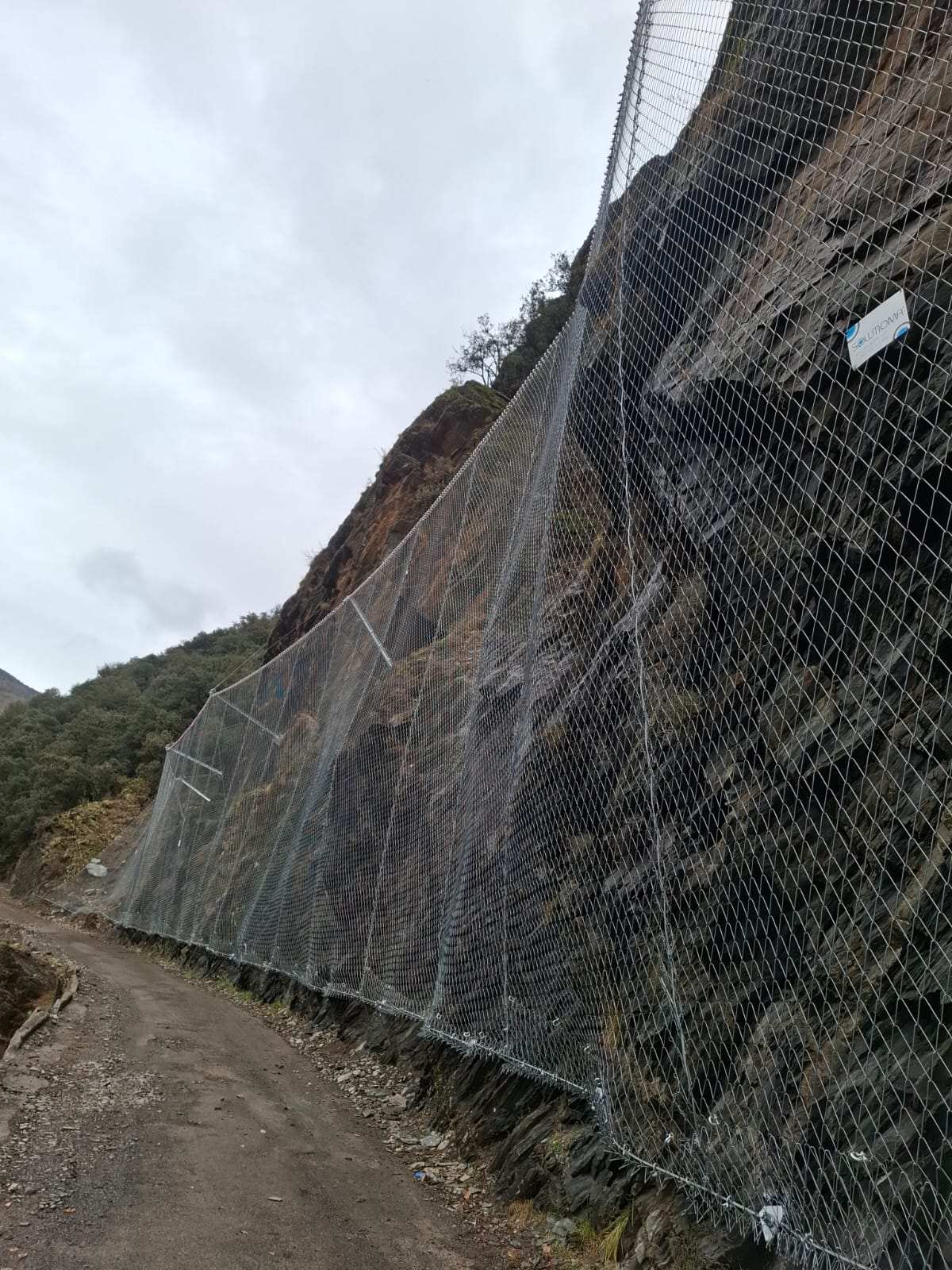
Attenuator systems installed
Attenuator systems installed
Frequently asked questions about rockfall attenuator systems
Frequently asked questions about rockfall attenuator systems
What is a rockfall attenuator system?
A rockfall attenuator system is a curtain of high-resistance membrane that intercepts rock at the top of the slope and guides it to a reception area at the foot. It does not stop the block abruptly: it slows it down and channels it.
It is also known as a rock-guiding curtain, an attenuator barrier, a rockfall attenuator fence or a hybrid rockfall barrier. It combines the interception structure of a dynamic barrier with the low maintenance of drapery meshes: the upper part catches the falling rock and the curtain, spread over the slope, directs it downwards.
Compared with a conventional drapery mesh, the difference lies in the membrane. Because it is high-resistance, rockfall attenuator systems withstand larger and more frequent rockfalls, and their flexibility allows them to remain safe even after several impacts.
At Solutioma we design each attenuator system according to the slope and install it with our teams specialised in working at height. If rocks fall frequently from your slope, tell us about the case and we will assess whether this solution is suitable.
When is an attenuator barrier used on a slope?
An attenuator barrier is used when rockfalls are frequent and there is space below the system for the blocks to move, so that they can be stopped or collected safely.
This reception area is the deciding condition. It may be a berm, a wide ditch or a strip of free ground at the foot of the slope. If the carriageway, the railway or a building lies right at the foot, the guided rock would reach them, and another solution is needed to stop it or to prevent it from detaching.
A rockfall is the detachment of blocks or fragments of rock that fall, bounce or roll down a slope. The attenuator system is designed to protect infrastructure exposed to frequent rockfalls, on slopes that shed material repeatedly, and its low maintenance is an advantage there, because it limits the work required after each fall.
The first thing we assess during the technical visit is precisely the space available at the foot of the slope and the trajectory of the falls. With this information, our technicians will tell you whether the attenuator system is the right option or whether another rockfall protection system is advisable.
How does a rockfall attenuator work?
The attenuator system works in two stages: the upper part intercepts the falling rock, and the membrane curtain, spread over the slope, slows it down and directs it to the designated reception area at the foot.
Unlike a dynamic barrier, which stops the block in the net, the rockfall attenuator slows it down and channels it. In this way it controls the energy of potentially damaging impacts and attenuates their force, which reduces the risk to infrastructure and people in nearby areas.
The high-resistance membrane can handle larger and more frequent rockfalls than a double-twist mesh trap, and the flexibility of the whole system allows it to keep protecting the slope after several impacts. This combination explains why its maintenance is low.
At Solutioma we define the interception section, the curtain and the reception area of each system based on a study of the slope. Our technicians will explain how it would behave in your case before proposing the installation.
What is the difference between an attenuator system and a dynamic rockfall barrier?
A dynamic rockfall barrier stops the rock and absorbs its energy by deforming; an attenuator system intercepts it and guides it to the foot of the slope. Both intercept the fall, but they manage it differently.
Attenuator barriers take their interception structure from the dynamic barrier, but they do not retain the rock in the net: they leave it in the reception area. For this reason, their maintenance is closer to that of a drapery mesh than to that of a barrier, which accumulates the material it stops.
In return, the attenuator system needs space at the foot of the slope to collect the material. The dynamic barrier, placed between the source area of the rockfall and the area to be protected, is the usual option when there are large blocks with high energy and no such reception area, or when the slope is very high or inaccessible.
At Solutioma we install both systems and recommend one or the other according to the size of the blocks, the frequency of the falls and the space available. If you already have a design, we can review it with you.
What maintenance does a rockfall attenuator system need?
A rockfall attenuator system needs low maintenance, and this is one of its advantages: the rock is not retained in the curtain but is deposited in the reception area, and the flexibility of the system maintains safety even after several impacts.
The usual practice is to remove the accumulated material at the foot of the slope periodically so that the reception area keeps its capacity. How often depends on the activity of the slope: on hillsides that shed material continuously, cleaning will be more frequent than on slopes with occasional falls.
It is also advisable to inspect the membrane, cables and anchors, especially after episodes of heavy rain, freeze-thaw cycles or a larger rockfall, to check that no components are damaged and that no blocks are held in the upper section.
Our technical department can tell you which inspections your attenuator system needs and take care of maintenance with the same teams specialised in working at height that install it. Please contact us as well if you already have a system in place and would like it inspected.
How much does it cost to install a rockfall attenuator system?
The price of a rockfall attenuator system is calculated for each slope, because it depends on the area and length of the curtain, the height of the slope and, to a large extent, the access conditions.
The factors with most influence include the high-resistance membrane chosen, the interception structure at the top, the number and length of the anchors and the preparation of the reception area. If unstable blocks must be removed before installation, prior slope scaling is also included in the budget.
Access usually makes the difference: installing from a track is not the same as working at height, with a truck-mounted crane or with helicopter support. In the long term, its low maintenance also counts, because it limits subsequent interventions on the slope.
To prepare an assessment, send us the location and some photographs of the slope and of the space available at its foot. We work in Spain and internationally, and you can also call us on +34 900 101 895.
Contact
Why entrust your rockfall attenuator systems to Solutioma?
At Solutioma we study, design and install rockfall attenuator systems to guide falling rock to a safe reception area, with people who have more than 30 years of experience in the sector, teams specialised in working at height and our own machinery. If you would like to discuss any questions with our technical team or request a quote for your attenuator system, please fill in the form below. If you prefer, you can also call us on +34 900 101 895; we will be happy to assist you.
- +34 900 101 895
Call us if you prefer - solutioma@solutioma.com
Write to us directly - Over 30 years of experience
Survey, design and execution with our own team and machinery - Offices in Spain and Romania
Lleida, Madrid, Canary Islands, Jaén, Gipuzkoa and Bucharest